








An optical transceiver is an integrated circuit that independently transmits and receives data in both directions. The device combines a transmitter and a receiver in a single module. It converts electrical signals to optical signals and optical signals back to electrical, enabling efficient transmission over fiber optic cabling, for example from server to server.
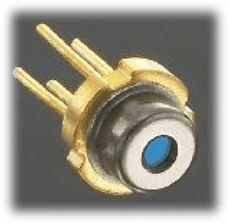
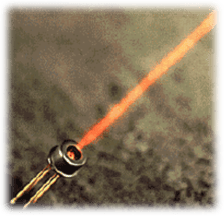
The transmitter converts an electrical input into an optical output using a laser diode or LED source (the light is coupled into the fiber via a connector and delivered into the optical fiber). At the far end, the light exiting the fiber is coupled into the receiver, where a photodetector converts the light into an electrical signal that the receiving equipment can process.

Looking for reliable components for your network? Browse and order professional SFP modules in our online store, and read on to see how these devices work in detail.
What is inside an optical module?
A fiber optic transceiver consists of a transmitter, a receiver, optical components, and an integrated circuit. The heart of the optical module is the chip.
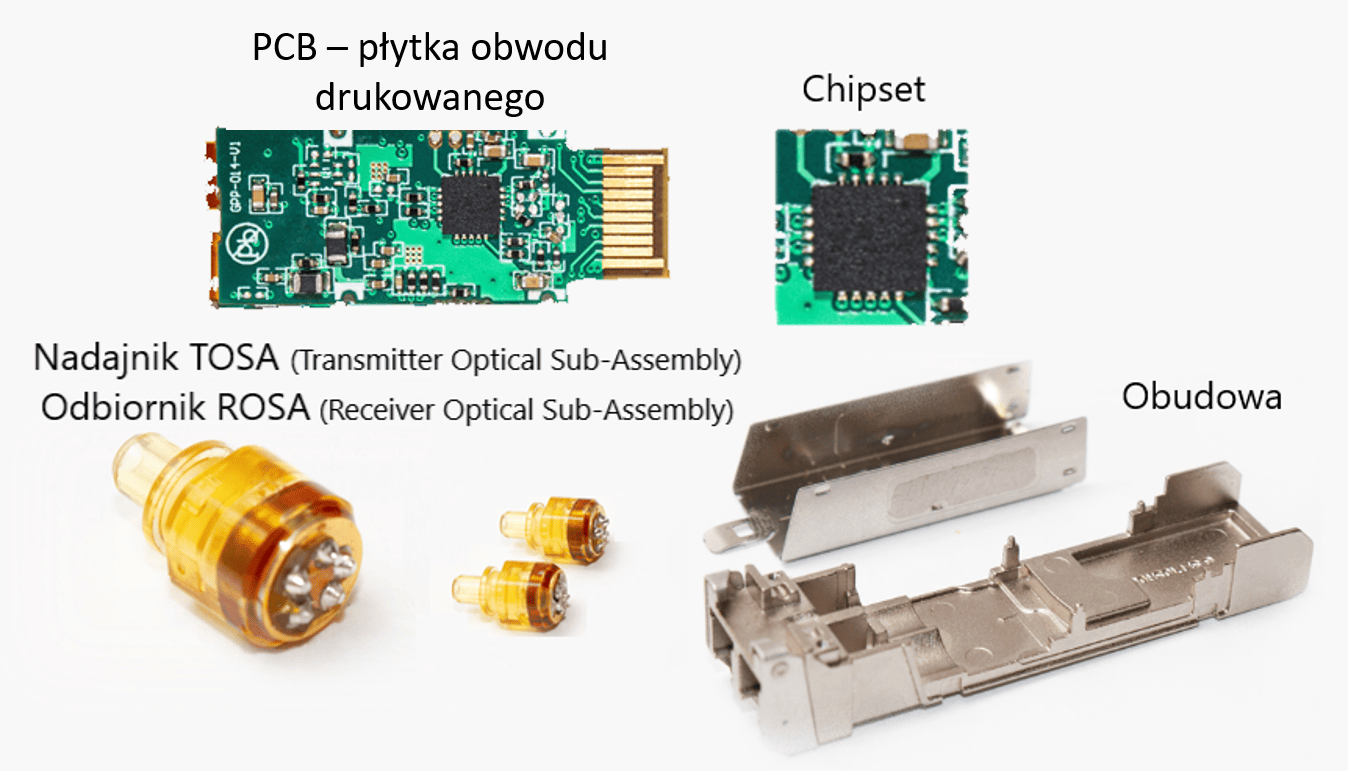
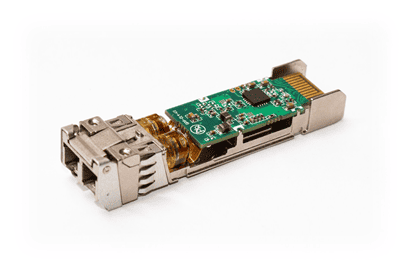
With the growing adoption of silicon photonics in optical transceiver designs, lasers are increasingly built on silicon, and integrated circuits combine optical elements with silicon circuitry. This addresses the need for faster links, for example between racks and servers in data centers, and significantly simplifies assembly. In addition, the optical transceiver can be built in a more compact form factor, which reduces overall server size, shrinks and streamlines data centers, while maintaining high port density. A smaller footprint also means lower power consumption and lower cost.

A brief history of the optical fiber module
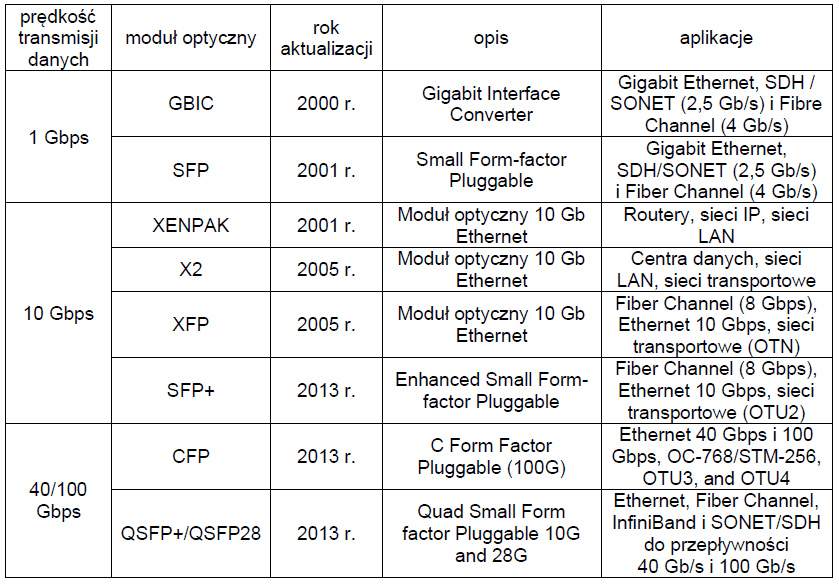
The use of silicon photonics in optical transceivers reflects the dynamic development of optical transceiver technology. It enables more compact optical transceivers and ever-higher data rates to keep up with the growth in data traffic driven by the rapid evolution of the Internet.
The following table (graphic) outlines the high-level evolution of optical modules in recent years.
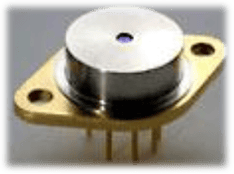
Transmitter diodes used in multimode transceivers:
- LED – Light Emitting Diode
- VCSEL – Vertical Cavity Surface Emitting Laser
Transmitter diodes used in single-mode transceivers:
- FP – Fabry-Perot
- DFB – Distributed FeedBack
- DML – Directly Modulated Lasers
- EML – Electroabsorption Modulated Laser

Optical modules: single-mode or multimode?
When you have to decide which optical module to choose – single-mode or multimode – consider three main factors:
- Distance – single-mode transceivers support long-distance transmission due to low attenuation and low dispersion. They are widely used in MAN and PON transport networks. Multimode modules have a much shorter reach and are typically deployed in data centers and LANs.
- Cost – multimode transceivers are almost two or even three times cheaper than single-mode versions.
- Speed – single-mode transceivers support higher data rates over longer distances in telecom applications. In Datacom networks both single-mode and multimode transceivers operate at 100 Gbps and higher (for example 200 Gbps or 400 Gbps).
In addition to the above aspects, you should also take into account port speed, required reach, link topology, and total cost. Remember that single-mode and multimode transceivers are not interchangeable, due to differences in laser wavelength, fiber core size, and the specified speed and distance parameters.
OEM modules from vendors like Cisco or HP vs. third-party modules: who wins?
On the market you will find optical modules sold as OEM, supplied or manufactured by original equipment vendors such as Cisco and HP, alongside third-party optical modules, for example from LightOptics. Fiber optic transceivers supplied by a provider such as Fibermarkt.com have specifications that match those from OEM manufacturers.
Quality – fiber optic transceivers are standardized through the MSA (multi-source agreement), which means that both OEM optical transceivers and third-party optical transceivers are manufactured according to the same specification. In practice there is no functional difference between OEM transceivers and well-made third-party equivalents. Third-party compatible transceivers can operate in the same way as OEM transceivers.
Price – if you search online for SFP module prices, you will see a huge spread. OEM vendors generate substantial margins on optical transceivers, so they typically set very high prices for optics. Third-party optical modules are significantly cheaper than the original ones, which can translate into considerable savings – especially valuable if your budget is limited. The savings can fund additional future network expansion.
Myth busting: does using third-party optical modules void the warranty?

The answer is: absolutely not. If a switch is defective, vendors are obliged to honor the warranty under applicable consumer protection laws, which prohibit a manufacturer from refusing warranty support solely because unapproved equipment was used, unless they can verify that the third-party optical module directly damaged the equipment. To ensure normal operation of your devices, you should also be familiar with how to install and remove an optical transceiver correctly.
Sometimes network equipment vendors try to protect revenue from their own branded optical modules by refusing warranty support when the serial numbers of installed modules do not match their records (i.e. they detect third-party modules). The LightOptics modules we offer are proven, high-quality transceivers with high compatibility with networking devices from other manufacturers.